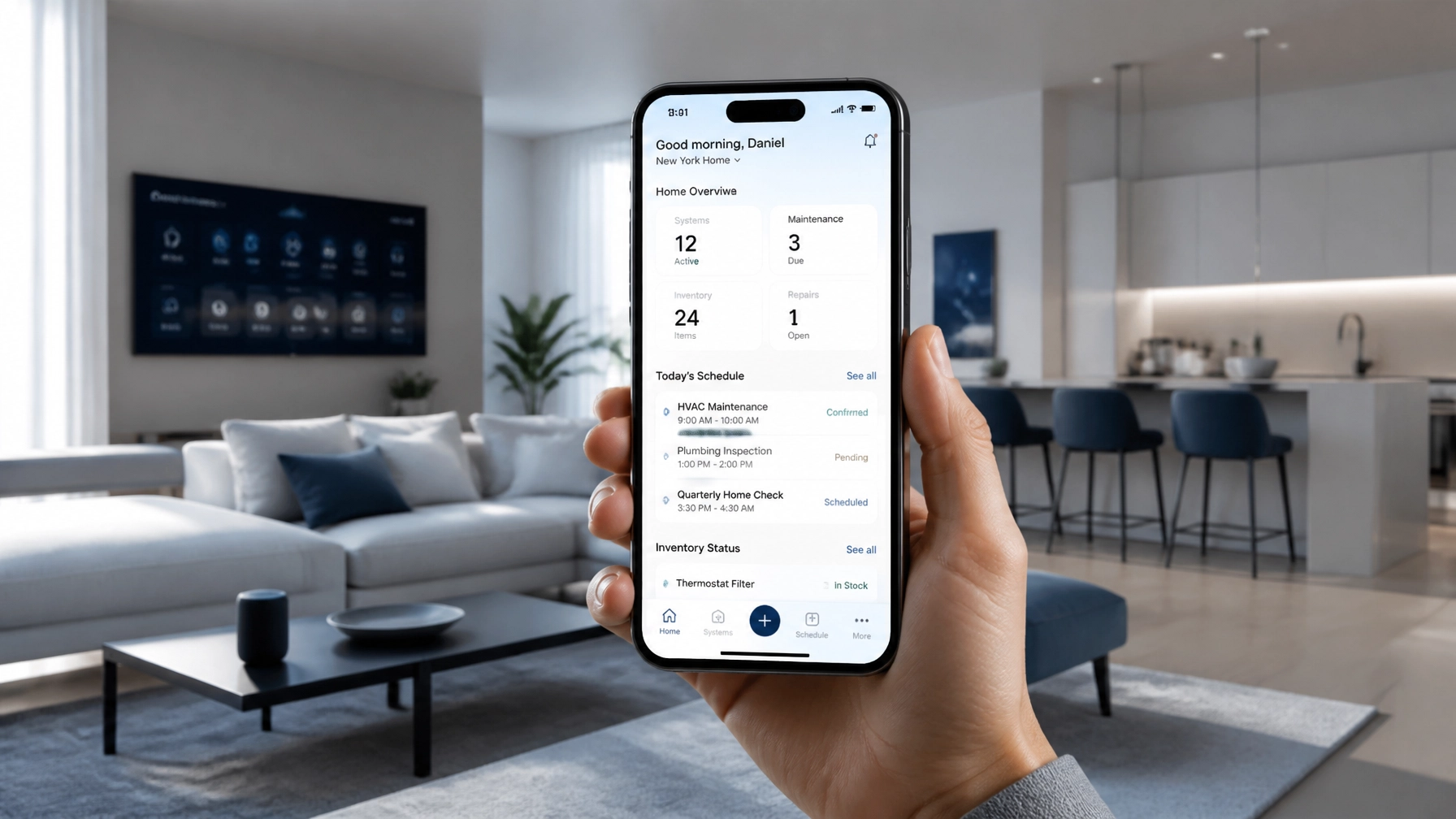

Let’s be honest: when you hear the phrase "home inventory list," your brain probably goes straight to a dusty filing cabinet or a high-stress insurance claim after a natural disaster. It sounds like a chore, something you’ll "get around to" when life slows down.
But here is the truth: a modern home inventory list isn't just about documenting your grandmother’s silver or your 4K TV for a rainy day. It is about the health and performance of your home.
Think of your home as a high-performance machine. You wouldn't drive a car for 50,000 miles without checking the oil, right? Your home is no different. By building a smart inventory, you aren't just prepping for an "if" scenario; you are mastering the "now." You are building a database that powers your Home Health Score, triggers predictive maintenance, and saves you thousands in preventable repairs.
At TotalHome Hub, we believe home management should be effortless. Here is how to build a home inventory list that actually works for you.
Your Home is a Machine, Start Documenting Its Parts
Most people stop at "electronics" and "furniture." That is a mistake. To truly manage your home, your inventory needs to include the components that keep the building alive. We’re talking about your HVAC system, your water heater, your GFCI outlets, and even your ceiling fans.
When you track these items, you unlock the ability to:
- Predict Failures: Know exactly when your 12-year-old dishwasher is likely to leak before it ruins your hardwood floors.
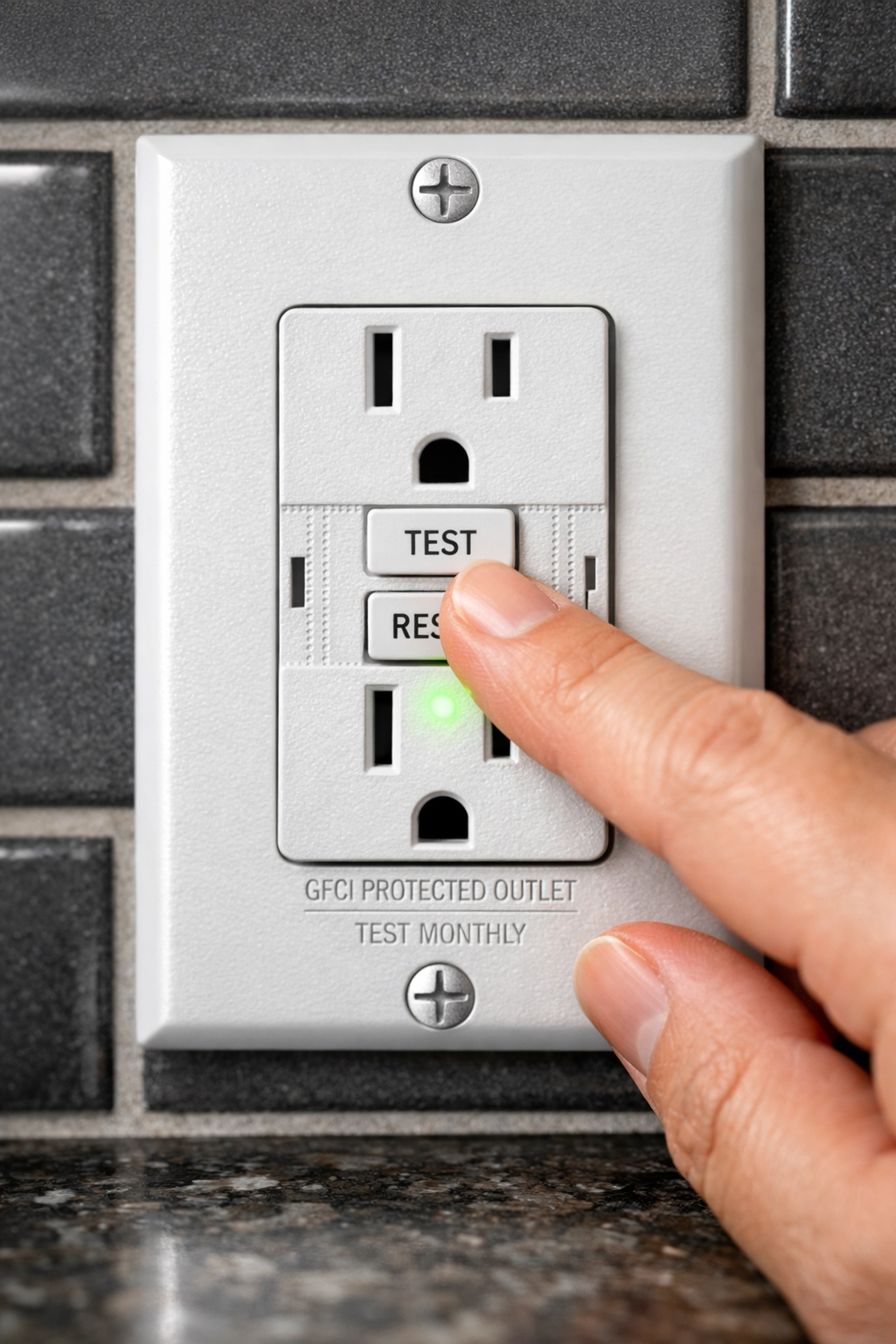
- Optimize Safety: Track which GFCI outlets have been tested and which ones are overdue for a safety check.
- Boost Resale Value: Imagine handing a prospective buyer a complete digital "health record" of the home. That is a massive selling point.

Step 1: The High-Speed "Walk and Snap"
Forget the pen and paper. The secret to actually finishing a home inventory list is to make it low-friction. Start in one room, usually the kitchen or the utility room, and use your phone to snap photos of everything.
What to capture:
- The Big Guys: Fridge, stove, dishwasher, microwave.
- The Guts: Open the pantry or the utility closet. Snap the water heater and the furnace.
- The Details: Zoom in on the serial number plates. These are usually on the inside of door frames or the back of units.
With TotalHome Hub, our AI-powered scanning tools can pull the make, model, and age directly from that photo. You don’t need to type; you just need to point.
Step 2: Catalog the "Invisible" Components
This is where 99% of homeowners fail, and where the real value lies. Beyond your fancy gadgets, your home is filled with functional components that require upkeep.
Add these to your list immediately:
- GFCI Outlets: These are the outlets with the "Test" and "Reset" buttons, usually found in kitchens and bathrooms. They are critical for preventing electrical shocks.
- Smoke and CO Detectors: Track the manufacture date. Most people don't realize these expire every 10 years.
- Air Filters: Note the sizes for every return in your house.
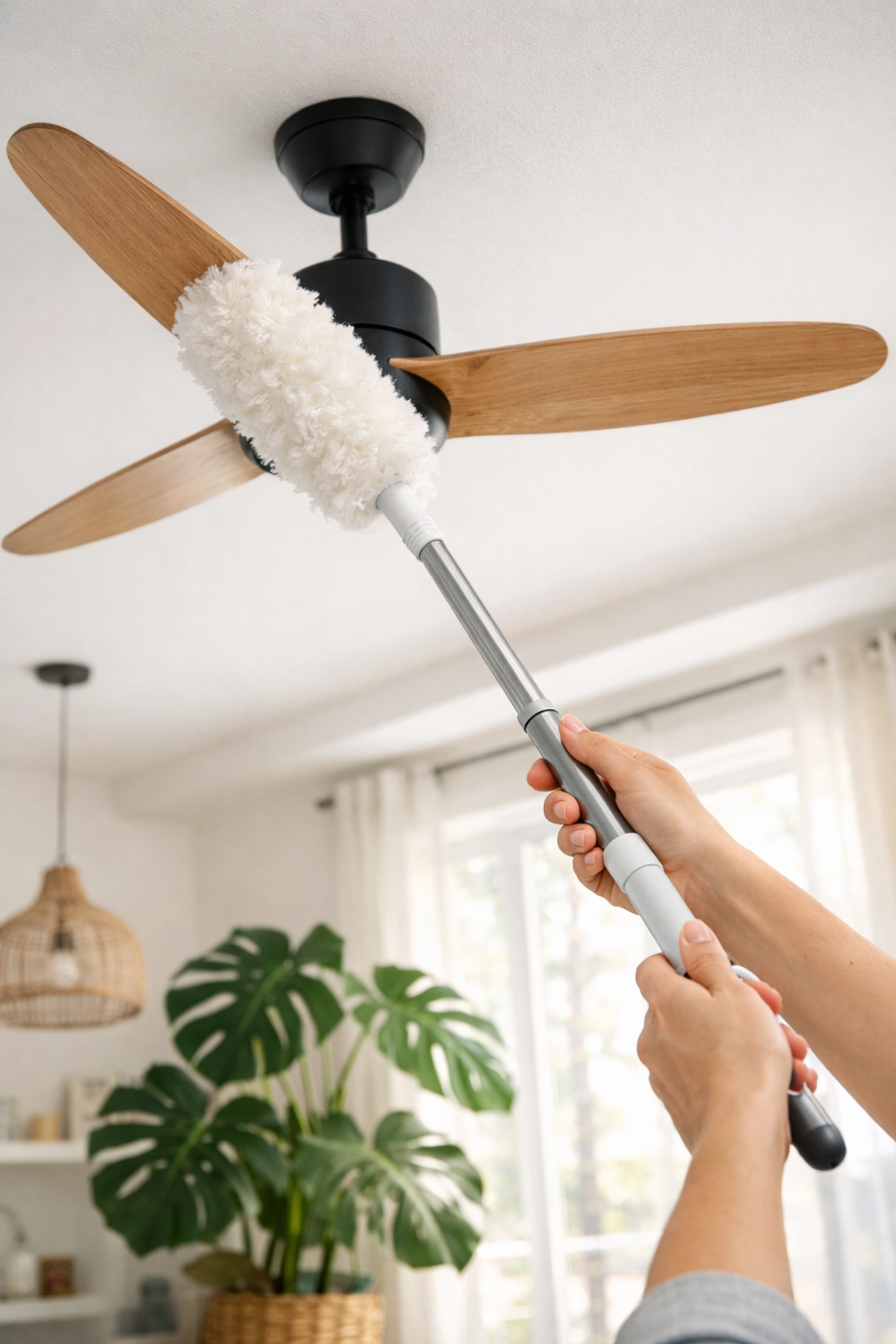
- Ceiling Fans: Document the brand and whether they have been balanced or cleaned recently.
By including these in your home inventory list, you move from "stuff owner" to "system manager."
Step 3: Assign a Health Status
Once an item is in your inventory, it’s time to give it a "physical." You don't need to be a contractor to do this. Just look for the basics:
- Age: Is it original to the house? Is it nearing the end of its typical lifecycle (e.g., 10-15 years for a water heater)?
- Condition: Is there visible rust? Does the dishwasher make a weird grinding noise?
- Maintenance History: When was the last time the HVAC coils were cleaned?
In the TotalHome Hub app, this data aggregates into your Home Health Score. A high score means your home is efficient and safe. A low score is a red flag that you’re sitting on a potential emergency repair.
Step 4: Sync Your Maintenance Rhythm
An inventory list that just sits there is useless. The power comes from action. Once you know what you have, you can schedule the upkeep.
Set these recurring reminders:
- Monthly: Test all GFCI outlets to ensure the trip-mechanism is functional.
- Quarterly: Dust ceiling fan blades and check for wobbles.
- Semi-Annually: Clean the refrigerator coils to improve cooling efficiency and lower your electric bill.
- Annually: Flush the sediment out of your water heater.
TotalHome Hub takes your inventory and automatically generates these reminders based on the specific models you own. It turns your "to-do list" into a "done list" without the mental load.
Step 5: The "One-In, One-Out" Rule
A home inventory list is a living document. The biggest mistake you can make is doing it once and never looking at it again.
Adopt these habits:
- New Purchase? Snap a photo of the receipt and the serial number before you even throw the box away.
- Fixed Something? Update the maintenance log in the app.
- Seasonal Review: Spend 10 minutes every spring and fall walking through the house to see if anything has changed.
Why This Matters: The Tangible ROI
Building a comprehensive home inventory list isn't just a "productive" way to spend a Saturday. It has real financial benefits:
- Energy Savings: Well-maintained appliances run more efficiently. A clean HVAC filter can shave 5-15% off your cooling bill.
- Emergency Avoidance: Most home disasters (leaks, electrical fires, appliance failures) are predictable. Tracking your home’s health lets you replace a failing part for $50 instead of replacing a floor for $5,000.
- Insurance Accuracy: Okay, we said it wasn't just for insurance, but if the worst happens, having a digital record with serial numbers and photos ensures you get the full replacement value you’re owed: not just a low-ball estimate.

Take Control of Your Home Today
The transition from "overwhelmed homeowner" to "proactive manager" starts with a single list. You don't have to do the whole house at once. Start with the kitchen today. Add your appliances, check your outlets, and see your Home Health Score begin to take shape.
Stop guessing about the state of your home. Use technology to track, manage, and save.
Ready to start your inventory? Join the TotalHome Hub Launch List and be the first to access our AI-powered home management tools. No credit card required: just a smarter way to live.
Quick Checklist: What’s In Your Inventory?
- HVAC Model & Filter Size
- Water Heater Age & Condition
- All GFCI Outlet Locations
- Smoke/CO Detector Expiration Dates
- Kitchen Appliance Serial Numbers
- Washer/Dryer Maintenance Status
- Smart Home Device Registry
Your home is your biggest investment. It’s time to start managing it like one. Get started with your home inventory list this weekend, and feel the relief of finally being in control.