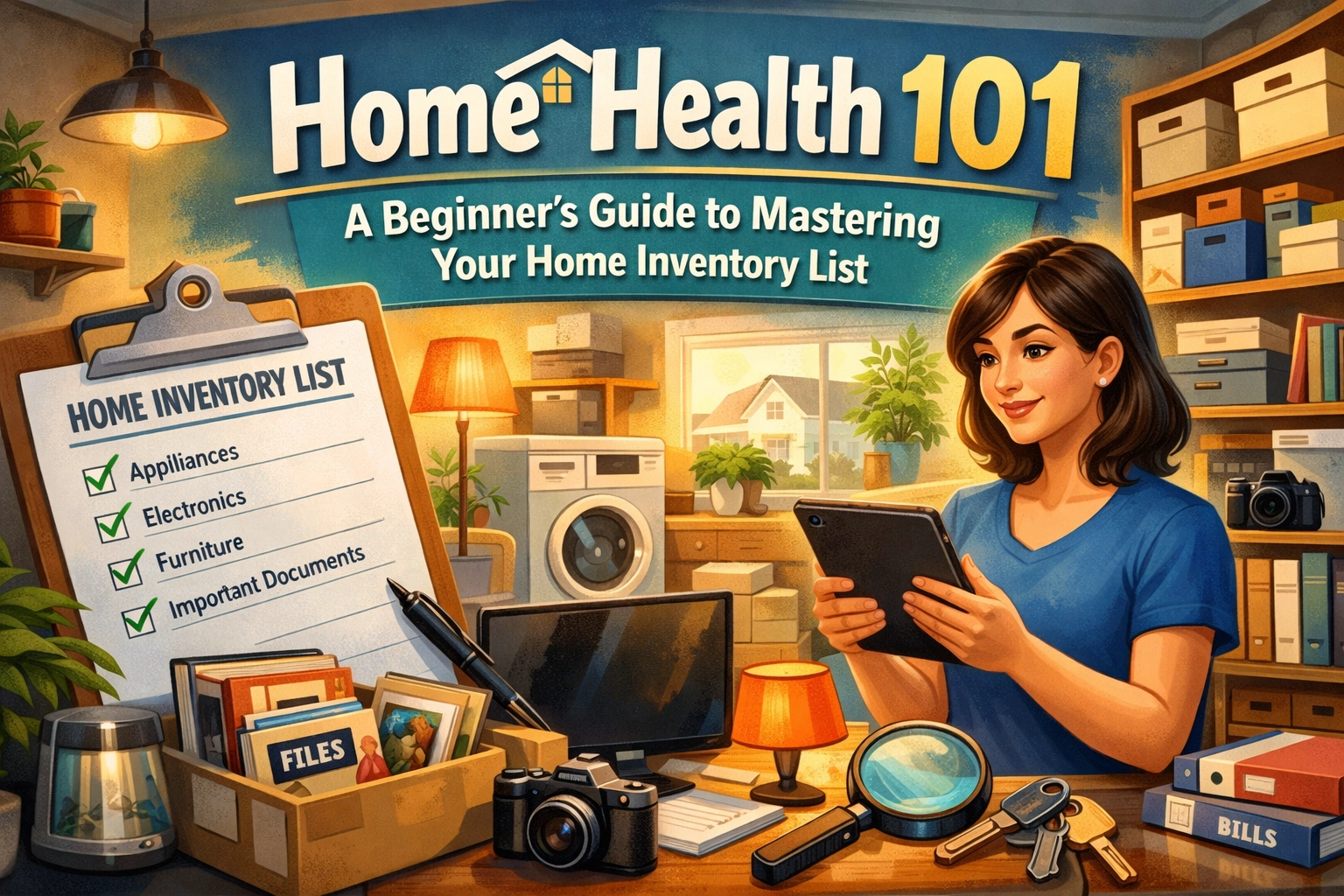
Most homeowners think a "Home Inventory" is a dusty spreadsheet they’ll only need if the worst happens and they have to talk to an insurance adjuster. They spend hours counting forks and cataloging sweaters.
At TotalHome Hub, we’re rewriting the script.
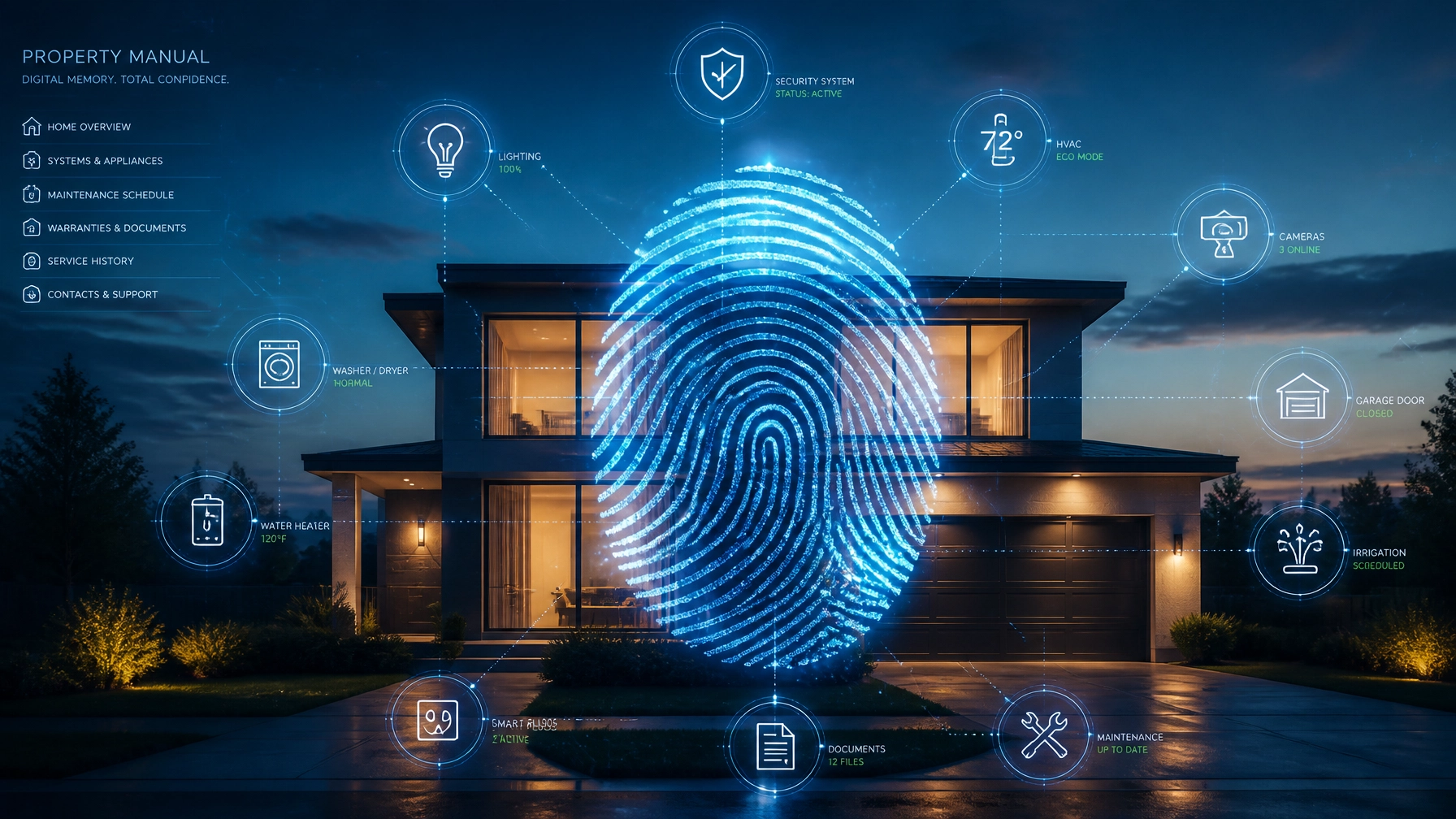
Your home isn't just a collection of stuff; it’s a living, breathing ecosystem. A proper home inventory shouldn't just be a list of what you own: it should be a pulse check on how your home functions. We call this Home Health, and mastering it is the secret to lower repair bills, higher property value, and total peace of mind.
Stop Counting Spoons, Start Tracking Systems
Traditional home inventories focus on "things." But a healthy home depends on "systems." If your toaster breaks, it’s a $30 inconvenience. If your GFCI outlet fails in the bathroom or your HVAC filter remains clogged for six months, you’re looking at safety hazards and thousand-dollar repairs.

The Old Way vs. The TotalHome Hub Way
- The Old Way: Listing the serial number of your TV so you can replace it after a fire.
- The TotalHome Hub Way: Tracking the age of your water heater, the last time you tested your smoke detectors, and the exact size of your furnace filter to prevent the breakdown before it happens.
By shifting your focus from "belongings" to "vital signs," you transition from a reactive homeowner to a proactive manager. This is the foundation of your Home Health Score: a real-time metric that tells you exactly how well your property is being maintained.
The Anatomy of a Healthy Home: What to Inventory First
If you’re a beginner, don’t try to catalog every square inch of your house in one afternoon. Instead, focus on the "vital organs" of your home. Use the TotalHome Hub app to snap photos and log the following high-impact items.
Electrical and Safety Nodes
Safety is the ultimate indicator of home health. Start by inventorying your electrical safety components.
- GFCI Outlets: Walk through your kitchen, bathrooms, and garage. Snap a photo of each GFCI outlet. These are designed to protect you from shocks, but they fail more often than you think.
- Smoke and CO Detectors: Log the manufacture date (usually on the back). Most sensors expire after 7–10 years.
- Breaker Panel: Take a clear photo of your labeled circuit breakers. This makes troubleshooting a breeze when a fuse blows.

HVAC and Air Quality
Your HVAC system is the lungs of your home. Keeping it "healthy" directly impacts your monthly energy bills.
- Filter Sizes: Stop guessing at the hardware store. Log the exact dimensions (e.g., 16x25x1) and the type of filter your system requires.
- Condensate Lines: Locate where your AC drains. Inventorying this spot reminds you to flush it with vinegar annually to prevent clogs and indoor flooding.
The Water Cycle
Water damage is the #1 cause of unexpected home expenses.
- Shut-off Valves: Inventory the location of your main water shut-off and the individual valves under sinks and toilets. Knowing exactly where these are during a leak is the difference between a mop-up and a renovation.
- Sump Pump: If you have one, log its age. These have a finite lifespan, and you don’t want to find out it’s dead during a rainstorm.
Maximizing Appliance ROI with Precision Tracking
Your appliances are the heavy lifters. When they run efficiently, they save you money. When they struggle, they drain your wallet.
When you add an appliance to your TotalHome Hub inventory, you aren't just saving a receipt. You are creating a maintenance roadmap.
- The Refrigerator: Don’t just log the model. Set a reminder to vacuum the condenser coils every six months. Clean coils mean the compressor runs less, extending the life of the unit by years.
- The Dishwasher: Track the last time you cleaned the filter. A clogged filter forces the motor to work harder and leaves your dishes dirty.
- The Dryer: Inventory the vent path. Logging when you last cleared the lint from the exterior vent is a critical fire safety step.

Understanding Your Home Health Score
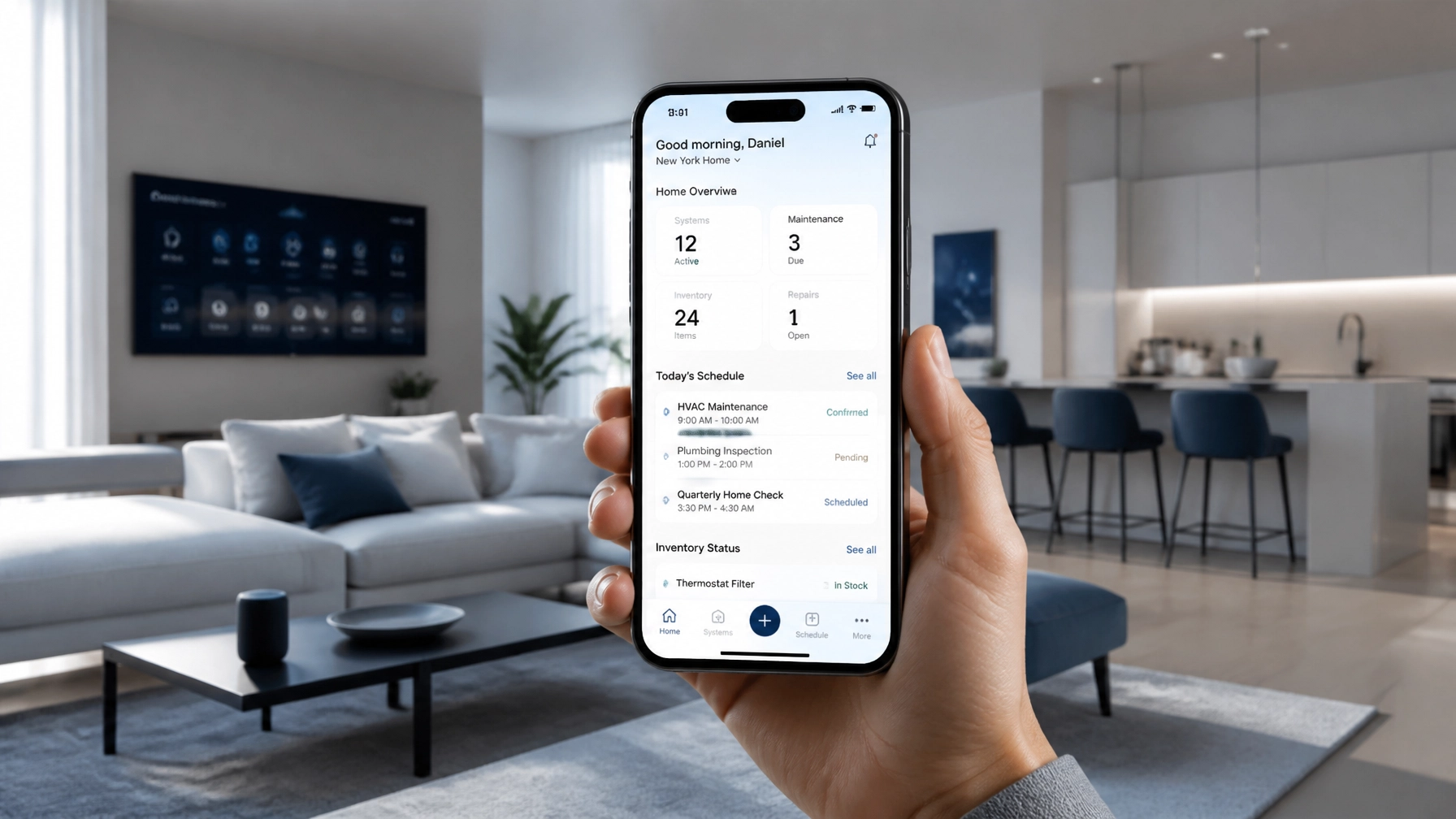
Once you begin logging these components into TotalHome Hub, our AI goes to work. We don't just store your data; we analyze it to generate your Home Health Score.
This score is calculated based on:
- Completeness: How much of your critical infrastructure have you documented?
- Maintenance Recency: Are your filters, outlets, and alarms up to date?
- Component Age: How close are your major systems to their expected end-of-life?
A high Home Health Score means your home is running at peak efficiency. It’s a tangible asset you can show to potential buyers or use to negotiate lower insurance premiums by proving your home is a "low-risk" property.
Step-by-Step: Building Your Digital Twin in 15 Minutes
Building a comprehensive inventory feels daunting, but you can build a "Digital Twin" of your home’s health in just a few minutes a week.
Phase 1: The Five-Minute Safety Sweep
Grab your phone and walk through your house. Snap photos of every smoke detector and GFCI outlet. Upload them to the Hub. TotalHome Hub will automatically set your first "Test Alarms" and "Trip Outlets" reminders.
Phase 2: The Appliance Audit
Next time you're in the kitchen, open the fridge door and the dishwasher. Scan the model stickers. Our AI will pull the manuals and maintenance schedules for you. No more digging through junk drawers for paper booklets.
Phase 3: The Mechanical Room
Head to the basement or utility closet. Document the furnace, water heater, and electrical panel. Note the last service date if there’s a tag from a technician.

Why Data is the New DIY
In the past, "home maintenance" meant being handy with a wrench. Today, home management is about being "data-handy."
By mastering your home inventory list, you are building a database that works for you.
- Predictive Alerts: Instead of wondering why your AC stopped working in July, you’ll get a notification in May because your Home Health Score dipped due to an old filter and an unserviced compressor.
- Instant Specs: Need a new lightbulb for a specific fixture or a replacement part for the oven? It’s all in your inventory. No second trips to the store.
- Professional Handoff: When you do need a pro, you can send them a digital report of your system’s history. This reduces diagnostic time and ensures the job is done right the first time.
Join the Future of Home Management
The days of reactive home ownership are over. You shouldn't have to wait for something to break to realize it needed care.
TotalHome Hub empowers you to take control. By focusing on home health rather than just home belongings, you’re not just making a list: you’re building a smarter, safer, and more valuable home.
Ready to see where your home stands? Join our Launch List today and be among the first to experience the AI-powered Home Health Score. No credit card required, cancel anytime.
Your home is your biggest investment. It's time to give it the check-up it deserves. Master your inventory, boost your health score, and finally feel like the expert of your own domain.