Most homeowners treat their house like a mystery box. You live in it, you love it, but you don’t actually know what’s inside the walls or under the hood until something breaks. By then, you’re already behind.
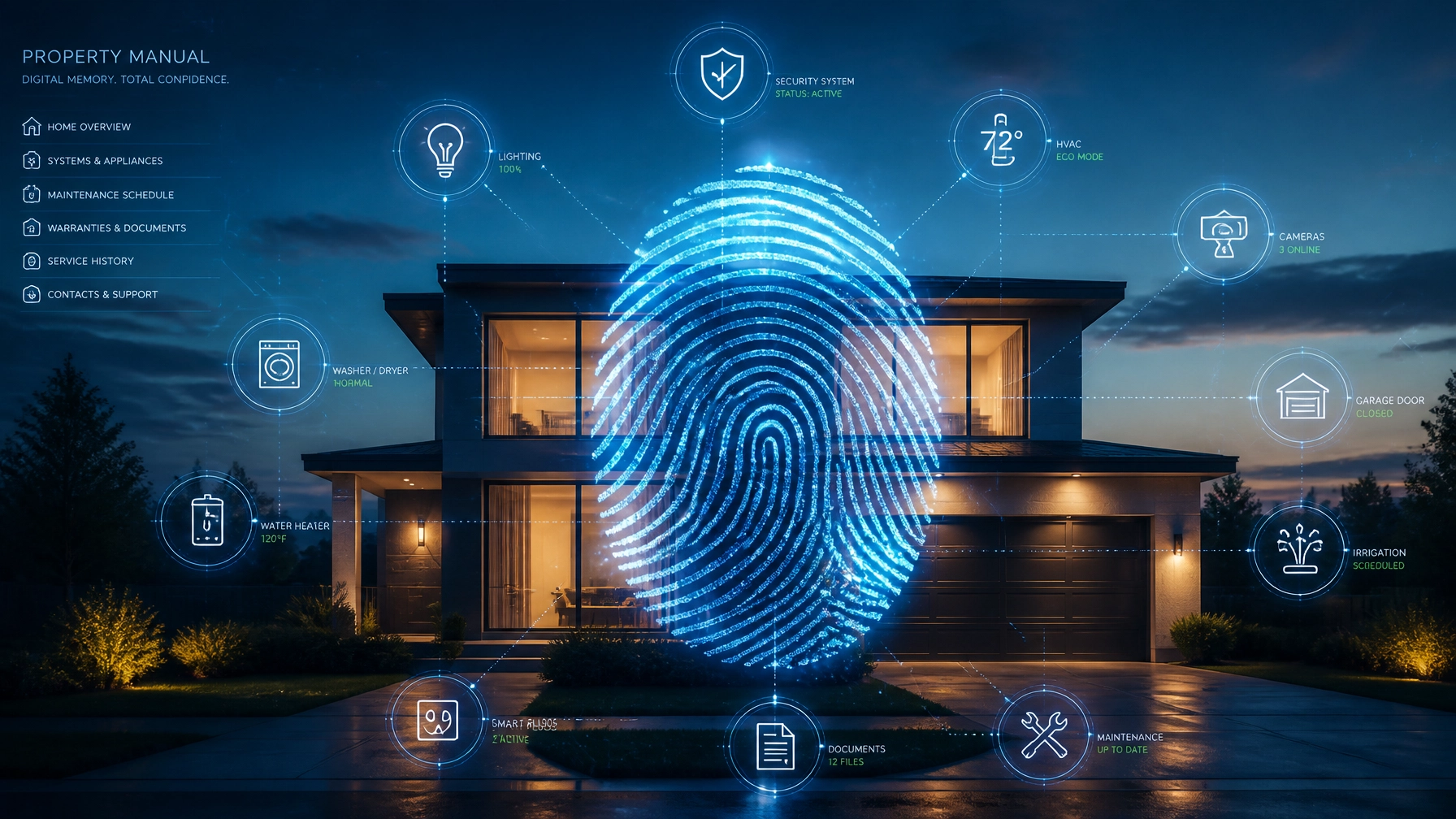
At TotalHome Hub, we believe your home is a high-performance machine. To keep it running, you need more than a junk drawer full of manuals: you need a Digital Home Inventory. This isn't just a list for insurance; it’s the foundational data that powers your Home Health Score and drives your automated maintenance schedule.
Think you don’t have time? You’re wrong. You have five minutes. Let’s build your digital foundation right now.
The World-First Approach to Home Data
Traditional home inventories are tedious. They involve clipboards, spreadsheets, and hours of lost Saturday afternoons. We’ve flipped the script. By using the "Rapid Capture" method, you can document your home’s critical components: outlets, fans, HVAC units, and appliances: in the time it takes to brew a cup of coffee.
This data doesn't just sit there. When you feed this information into the TotalHome Hub platform, our AI analyzes the age and condition of your components to generate specific, actionable reminders.
Minute 1: The Tactical Walkthrough Setup
Grab your smartphone. Open your camera. Set it to video mode.
Before you move, understand the goal: Contextual Capture. You aren't filming a movie; you’re gathering data points for your AI home manager.
- Start at the Entry: State your address and the date clearly.
- Narrate the Big Picture: "Main floor, kitchen area, documenting appliances and electrical points."
- The Cloud Prep: If you want to be extra organized, create a folder in your phone titled "Home Identity" where this video will live before you upload it to your hub.
Minute 2: Kitchen & Laundry High-Value Assets
The kitchen and laundry room are the "engine rooms" of your home. These appliances have the highest failure rates and the most expensive repair costs.
- Snap the Specs: Point the camera at the manufacturer’s sticker inside the door of your fridge, dishwasher, and oven.
- Identify the Age: If you know the year you bought it, say it out loud.
- Track the Filters: Show the vent hood and the water filter housing.
Pro Tip: TotalHome Hub uses these model numbers to pull digital manuals and suggest the exact replacement parts you need for DIY repairs. No more guessing which water filter fits your fridge.
Minute 3: The "Invisible" Grid (Outlets & Switches)
This is where most homeowners fail, but where TotalHome Hub excels. Your electrical system needs regular "health checks."
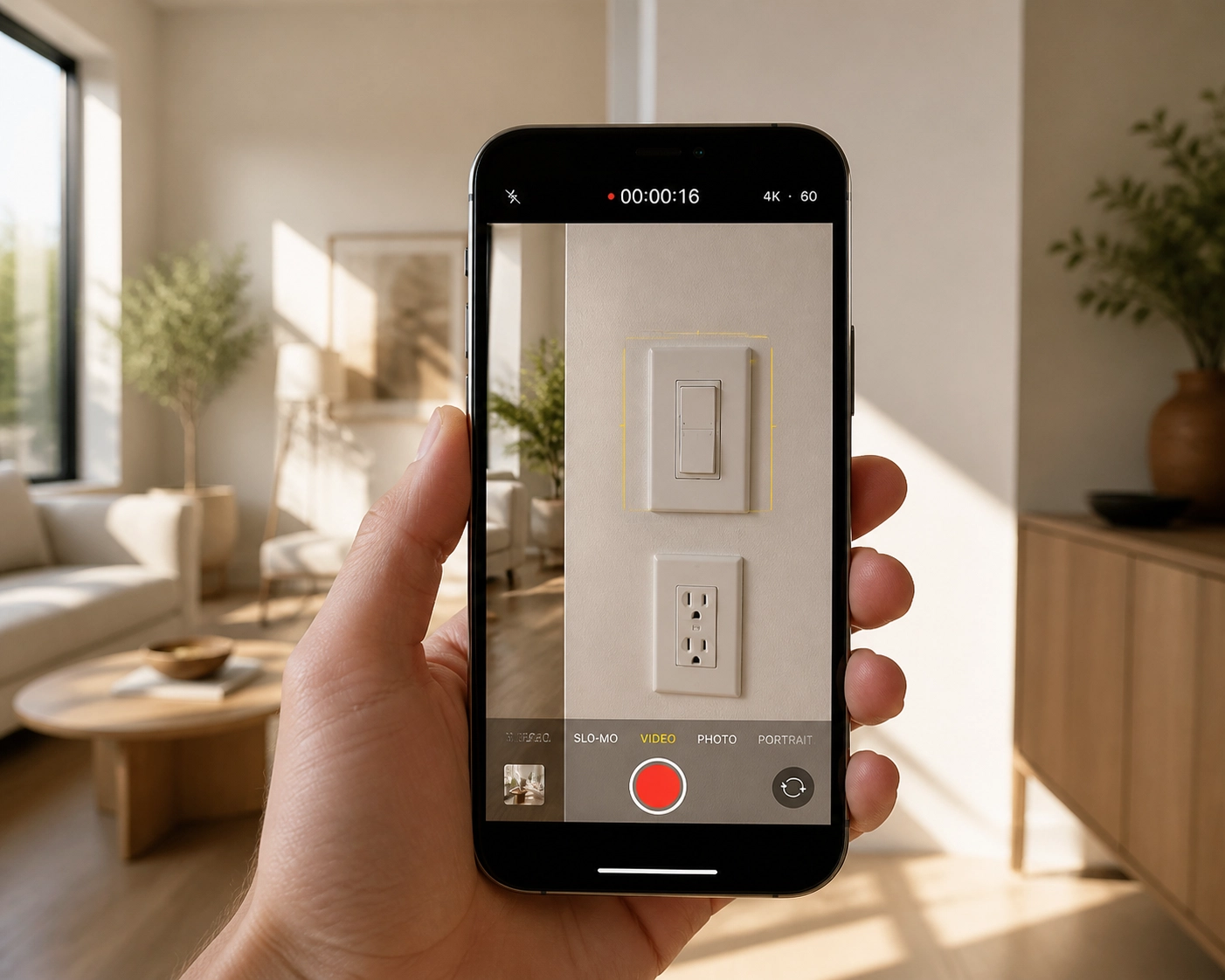
- Scan the Walls: Walk through the main living area. Pan the camera over every outlet and light switch.
- Locate GFCIs: Stop for three seconds on every GFCI outlet (the ones with the "Test/Reset" buttons) in your kitchen and bathrooms.
- Why it matters: Our system will later remind you to "Test GFCI Outlets" quarterly. If you don't know where they are, you won't do it. A quick video scan gives you a visual map.

Minute 4: Airflow & Climate Control
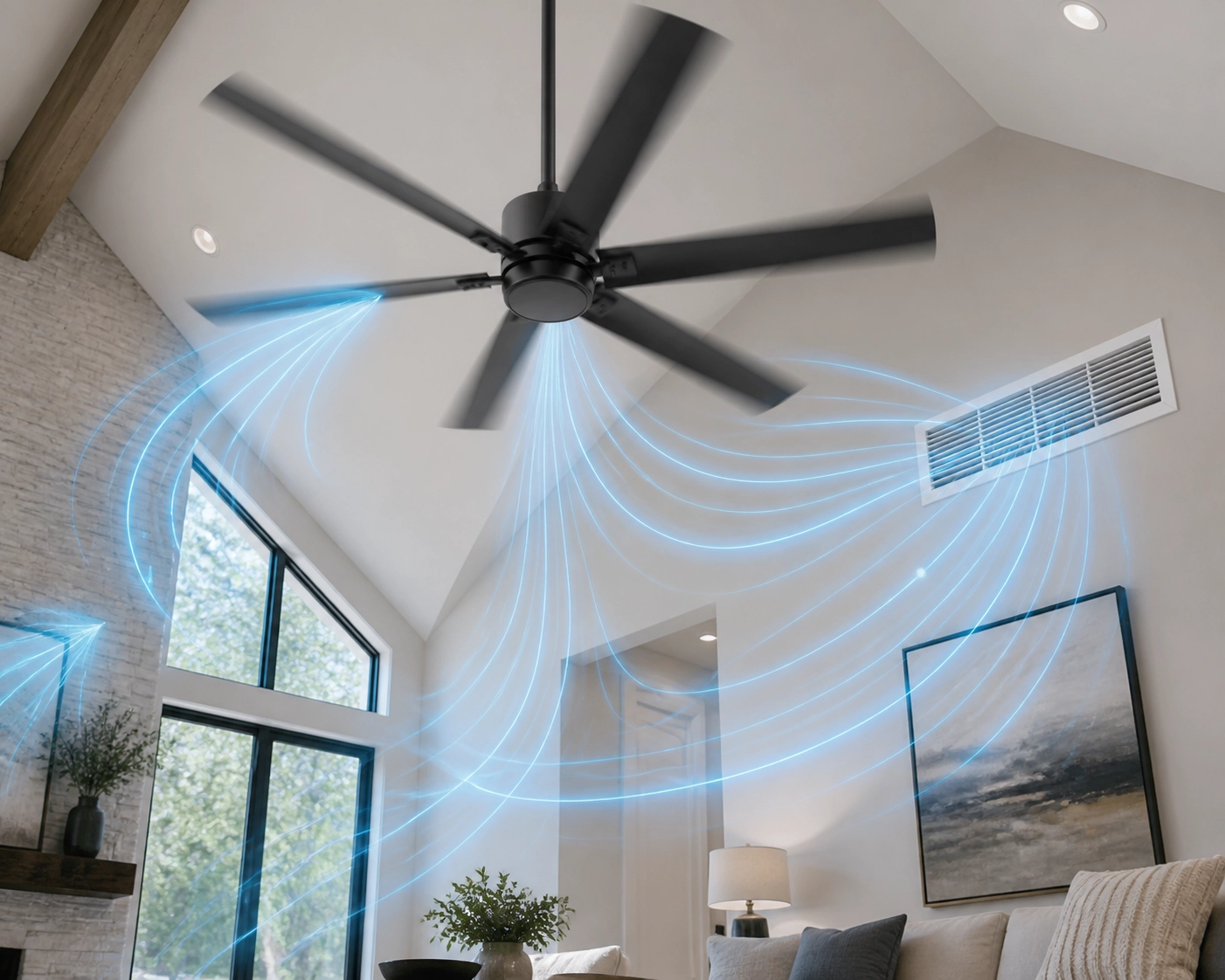
Your HVAC system and ceiling fans are the lungs of your home. Dust and neglected filters are the primary causes of system burnout.
- Filter Check: Film the HVAC intake vent. Mention the filter size if you know it (e.g., "20x25x1").
- Fan Inventory: Pan across the ceiling fans in each room.
- Condition Report: If a fan is wobbling or making noise, narrate it. "Master bedroom fan: audible hum at high speed."
By documenting these, you allow the TotalHome Hub AI to calculate your Home Health Score. A house with documented, clean filters scores higher and retains more value than a "mystery" home.
Minute 5: Storage & Safety Systems
Wrap up your inventory by capturing the items that protect you.
- Smoke Detectors: Point the camera at the ceiling in hallways and bedrooms.
- Water Shut-Off: Find your main water shut-off valve and the water heater. Show the condition of the pipes.
- Garage/Shed: Do a quick 360-degree pan of your tools and outdoor equipment.
Stop Recording. You now have a complete visual record of your home’s current health status.
From Video to Action: The TotalHome Hub Integration
A video is great for a backup, but a Smart Inventory is what changes your life. Once you’ve captured your footage, the real magic happens inside the TotalHome Hub ecosystem.
1. Identify Your Components
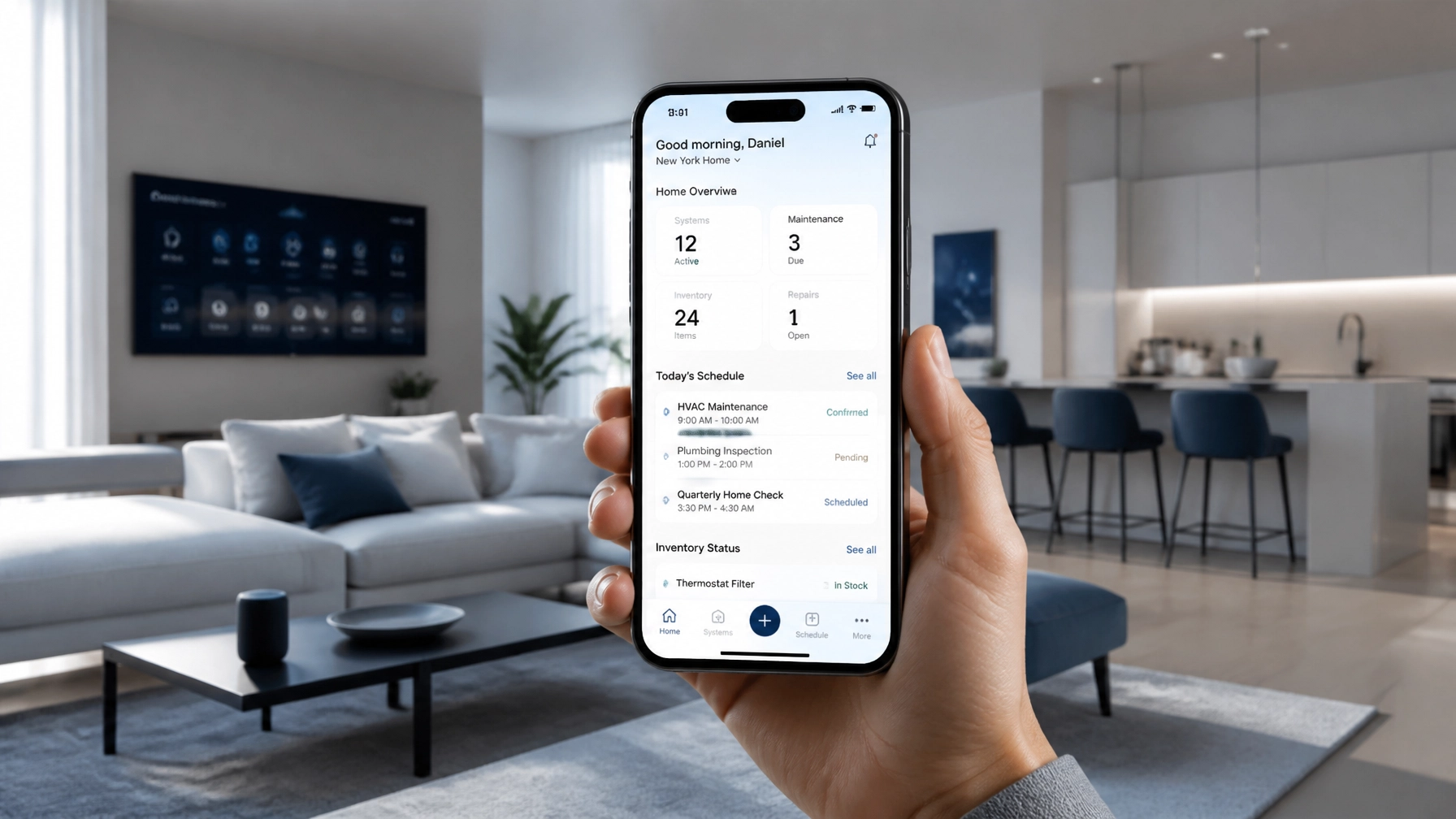
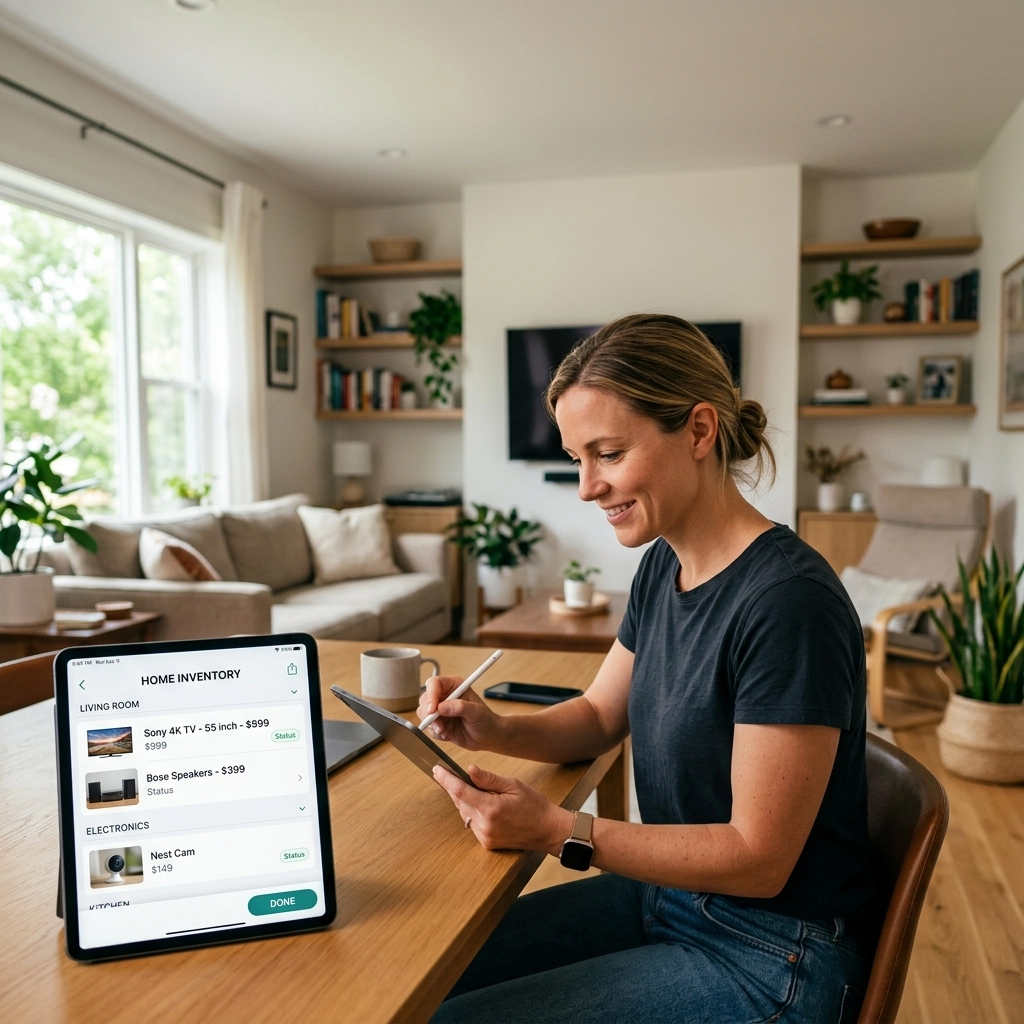
Use your video to fill out your Digital Home Inventory list in the app. List your fans, your outlets, and your major appliances.
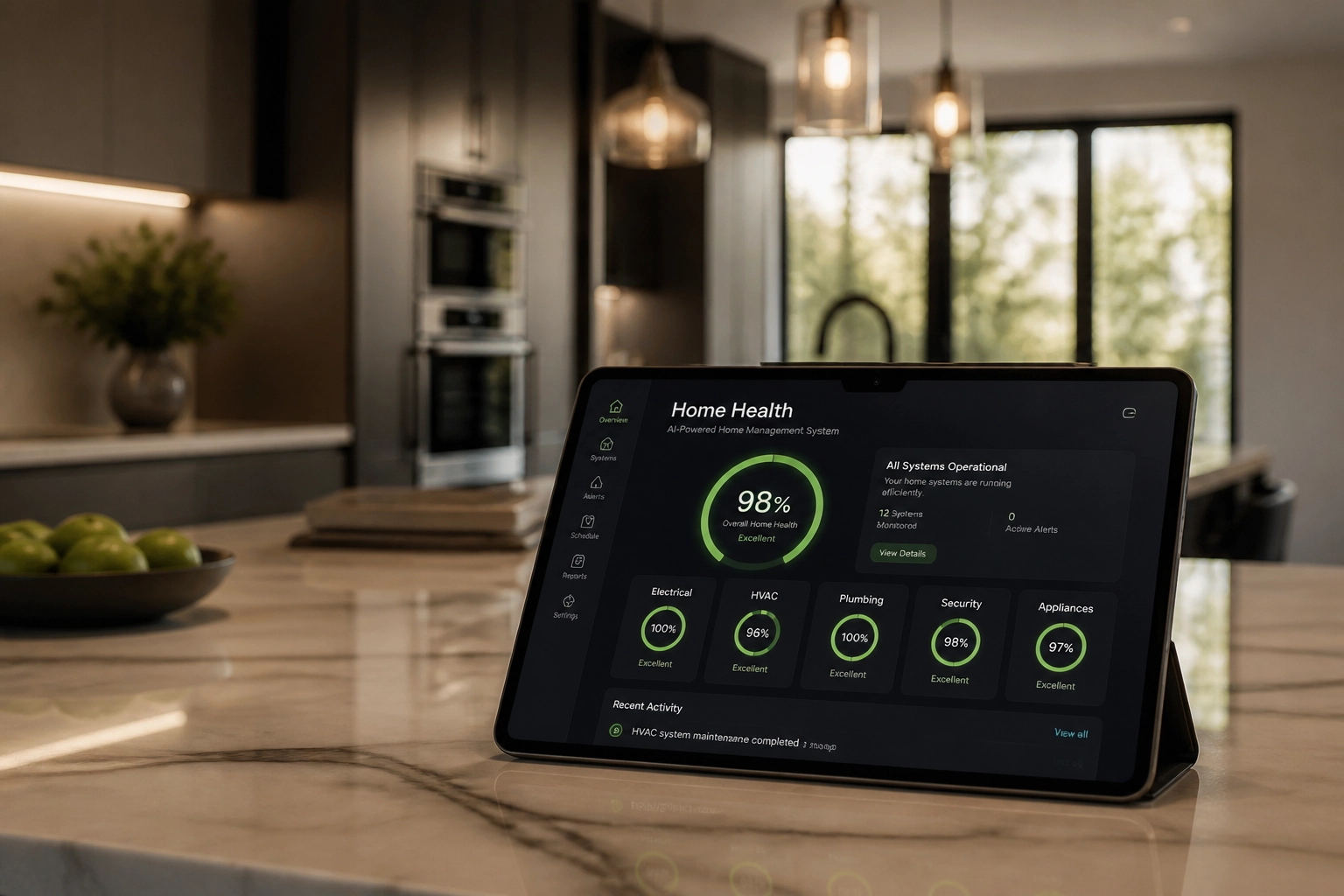
2. Generate Your Home Health Score
Our proprietary analytics engine takes your inventory data and assigns a score to your home.
- High Score: Everything is documented, filters are fresh, and safety checks are logged.
- Low Score: Major systems are "unknown" or past their maintenance window.
3. Automated Maintenance Scheduling
Based on the specific models you listed, the app will generate a custom calendar.
- Example: If you listed a "Dyson V11," the app knows to remind you to wash the filter every 30 days.
- Example: If you documented "12 LED recessed lights," the app tracks their lifespan and helps you order replacements before they burn out.
Why You Need This Today
Home ownership is the biggest investment of your life. Why manage it with a sticky note?
- Save Money: Predictive maintenance prevents $5,000 HVAC replacements by encouraging $20 filter changes.
- Save Time: When something breaks, use our Snap & Solve feature. Since your appliance is already in your inventory, the AI already knows the model, the parts, and the common fixes.
- Empower Yourself: Move from "stressed renter-mindset" to "empowered owner-mindset." You have the data. You have the tools.
Take Control of Your Upkeep
You don't need a degree in construction to run a smart home. You just need five minutes and a smartphone. This small investment of time during your week ensures that your weekend remains yours: not a marathon of "surprise" repairs.
Ready to see how your home stacks up? Scan the code below to start your journey with TotalHome Hub. No credit card required. Cancel anytime. Start building your Home Health Score today.
Summary Checklist for Your 5-Minute Sprint:
- Minute 1: Address, date, and entry-point narration.
- Minute 2: Kitchen/Laundry appliance serial numbers and stickers.
- Minute 3: Wall-to-wall scan of outlets and GFCI locations.
- Minute 4: HVAC intakes, filter sizes, and ceiling fan conditions.
- Minute 5: Safety sensors, water shut-off, and main utility points.
Your home is talking. It’s time you started listening. Get started with TotalHome Hub and turn that 5-minute video into a lifetime of smarter home management.